Cheapest universities in Canada for international students include Memorial University of Newfoundland, Brandon University, University of Manitoba, University of Winnipeg, University of Regina, University of Saskatchewan, Cape Breton University, UPEI, UNBC and Concordia University. The cheapest choice depends on tuition, city costs, scholarships, PGWP eligibility and the full first-year budget.
At BHE UNI, we speak to students every day who want one clear answer: which Canadian university is affordable but still worth choosing?
The honest answer is that tuition alone does not decide affordability. Rent, food, transport, health insurance, books, winter clothing and compulsory fees can change the real cost very quickly.
For 2026 and 2027 applicants, this matters more than ever. Statistics Canada reports that average international tuition in Canada reached CAD 41,746 for undergraduate students and CAD 24,028 for graduate students in 2025/26.
For most study permit applicants outside Quebec, IRCC also requires proof of CAD 22,895 for living expenses for one student, excluding tuition and transportation, for applications submitted on or after 1 September 2025.
So the better question is not just “Which university has the lowest tuition?” It is this:
Which university gives me the lowest realistic total cost without weakening my study, work or PR plan?
Quick Answer: Cheapest Universities in Canada for International Students
The most affordable Canadian universities for many international students are usually found in Newfoundland and Labrador, Manitoba, Saskatchewan, Atlantic Canada and smaller cities outside major metro areas. Memorial University of Newfoundland, Brandon University, University of Manitoba, University of Winnipeg and University of Regina are strong starting points for a 2026 or 2027 shortlist.
|
University
|
Province / City
|
Approx. cost signal
|
Best for
|
|
Memorial University of Newfoundland
|
St. John’s, Newfoundland and Labrador
|
CAD 22,500 tuition for new international undergraduates
|
Low-tuition public university
|
|
Brandon University
|
Brandon, Manitoba
|
Course-based tuition; international health insurance around CAD 1,104/year
|
Smaller city and lower rent pressure
|
|
University of Manitoba
|
Winnipeg, Manitoba
|
2025/26 examples include CAD 19,914 for Arts and CAD 23,857 for Business
|
Large public university in a lower-cost city
|
|
University of Winnipeg
|
Winnipeg, Manitoba
|
Programme and course-load based, with health plan charges for full-time students
|
Smaller campus in Winnipeg
|
|
University of Regina
|
Regina, Saskatchewan
|
CAD 41,500 estimated full year including tuition, books, housing, food and personal costs
|
Clear full-budget planning
|
|
University of Saskatchewan
|
Saskatoon, Saskatchewan
|
2026/27 estimates vary strongly by faculty
|
Strong academic breadth
|
|
Cape Breton University
|
Sydney, Nova Scotia
|
Programme-based international fee table
|
Smaller-city planning
|
|
UPEI
|
Charlottetown, PEI
|
Programme-based fee selector
|
Compact Atlantic Canada option
|
|
UNBC
|
Prince George, BC
|
CAD 26,750 tuition; CAD 29,456 including tuition, fees and books
|
BC outside Vancouver
|
|
Concordia University
|
Montréal, Quebec
|
Per-credit and programme-based
|
Big city with lower cost than Toronto/Vancouver
|
Memorial lists CAD 22,500 tuition for new international undergraduate students for two semesters in 2025/26, before required fees and living costs. UNBC estimates CAD 26,750 tuition and CAD 29,456 total approximate cost for tuition, student fees and books for international undergraduates taking 30 credit hours.
What “Cheap” Really Means in Canada in 2026 and 2027
Cheap does not mean low tuition only.
A practical first-year budget should include:
Tuition + compulsory fees + health insurance + rent + food + transport + books + winter clothing + emergency money
That is the number students should compare.
A student might see a tuition figure of CAD 22,500 and feel relieved. But once they add the IRCC living-expense proof of CAD 22,895, the planning figure is already above CAD 45,000 before flights, housing deposits, books or winter setup.
Here’s the thing. A university with slightly higher tuition in a cheaper city can sometimes cost less overall than a lower-tuition option in a city with expensive housing.
BHE UNI counsellor note: “The students who plan best are not always the ones who pick the lowest tuition. They are the ones who check the city, housing, programme outcome and post-study route before paying the deposit.”
Top 10 Cheapest Canadian Universities for International Students
These are planning estimates. Tuition changes by faculty, programme, course load, campus and year. Students applying for 2026 or 2027 should always check the official university fee page before applying, especially when planning to study in Canada as an international student.
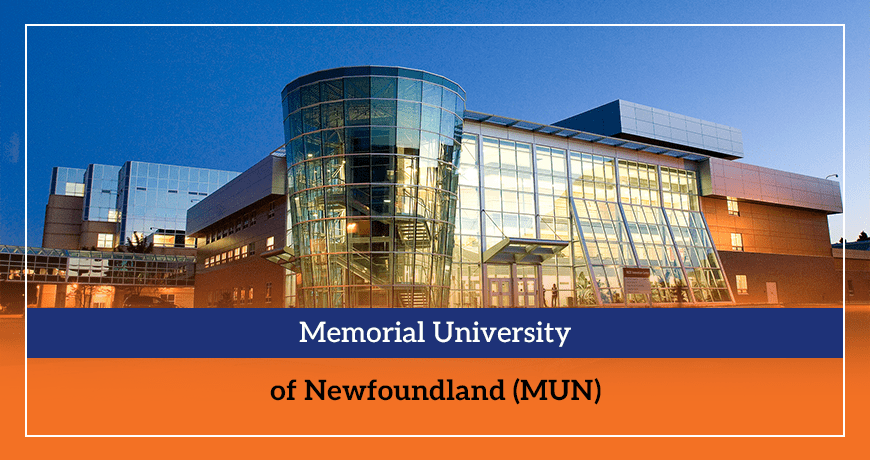
1. Memorial University of Newfoundland
Location: St. John’s, Newfoundland and Labrador
Best for: students who want a recognised public university with a strong low-tuition signal.
Memorial is often one of the first universities students compare when searching for the cheapest university in Canada for international students. Its main strength is the combination of public-university recognition and a lower-cost regional setting.
2026/27 cost note: Memorial lists CAD 22,500 tuition for new international undergraduate students in 2025/26, before required fees and living costs.
Scholarship angle: International students should check entrance awards and programme-specific funding before applying.
PGWP check: Memorial is a public university, but students comparing public universities across Canada should still confirm the exact programme, campus and credential.
Watch-outs: programme costs vary, and students should budget for winter clothing, travel and housing.
2. Brandon University
Location: Brandon, Manitoba
Best for: students who prefer a smaller city and lower housing pressure.
Brandon University often works well for students who are less focused on big-city branding and more focused on keeping the budget realistic. The city itself is part of the affordability advantage.
2026/27 cost note: Brandon’s 2025/26 international undergraduate fee table lists international student health insurance at approximately CAD 1,104 per year, with tuition charged by course and programme.
Scholarship angle: Students should check entrance awards and department-level options early.
PGWP check: Confirm the exact credential and delivery mode before paying a deposit.
Watch-outs: smaller cities may have fewer housing and part-time job options, so early planning matters.
3. University of Manitoba
Location: Winnipeg, Manitoba
Best for: students who want a large public university in a more affordable major city.
The University of Manitoba gives students scale, programme variety and a Winnipeg cost advantage. It is especially useful for students who want a broad university experience without starting in Toronto or Vancouver.
2026/27 cost note: University of Manitoba’s 2025/26 estimated international undergraduate tuition examples include CAD 19,914 for Arts, CAD 22,231 for Agricultural and Food Sciences, CAD 23,104 for Architecture and CAD 23,857 for Business.
Scholarship angle: Check entrance scholarships, faculty awards and graduate funding options.
PGWP check: Confirm the exact programme and credential, especially for professional or pathway-style routes.
Watch-outs: tuition changes sharply by faculty, so students should estimate the exact programme.

4. University of Winnipeg
Location: Winnipeg, Manitoba
Best for: students who want a smaller campus in Winnipeg.
The University of Winnipeg can suit students who want the cost advantages of Manitoba but prefer a smaller university environment. It is a useful alternative to larger institutions in the same city.
2026/27 cost note: The University of Winnipeg publishes 2025/26 tuition and course-related fees, and notes that full-time students are automatically charged the health plan unless eligible to opt out.
Scholarship angle: Compare entrance awards and continuing-student scholarships before finalising the budget.
PGWP check: Check the exact programme and credential type.
Watch-outs: rent near convenient areas can be higher, so housing location affects the real budget.
5. University of Regina
Location: Regina, Saskatchewan
Best for: students who want clear cost planning and applied learning options.
The University of Regina is not always the cheapest by tuition alone, but it is useful because it publishes a clear full-year cost example. That makes budgeting easier for families comparing total cost.
2026/27 cost note: Regina estimates CAD 41,500 for an international undergraduate student living on campus, including CAD 27,000 tuition and fees, CAD 1,500 books, CAD 7,000 housing and CAD 6,000 food and personal spending.
Scholarship angle: Its International Entrance Scholarship offers CAD 3,000 in tuition or housing credit for eligible undergraduate applicants with at least an 85% admission average.
PGWP check: Check programme length, credential and co-op requirements before applying.
Watch-outs: co-op, faculty fees and programme charges should be checked early.
6. University of Saskatchewan
Location: Saskatoon, Saskatchewan
Best for: students who want strong academic breadth in a manageable city.
The University of Saskatchewan is more of a value pick than a “lowest tuition” pick. It can make sense for students who want research strength, STEM options, agriculture, health-related pathways or a larger university in Saskatchewan.
2026/27 cost note: USask says tuition depends on college and course load, with published 2026/27 undergraduate estimates varying by programme.
Scholarship angle: Strong students should compare entrance awards and faculty funding.
PGWP check: Confirm the programme, campus and credential before building a post-study plan around it.
Watch-outs: engineering, health, law and lab-heavy programmes can cost much more than arts or general study.
7. Cape Breton University
Location: Sydney, Nova Scotia
Best for: students who want a smaller city and clearer fee tables.
Cape Breton University often appears in affordability discussions because its fee breakdowns are easier to understand than many broad tuition pages. That matters when students are planning in another currency.
2026/27 cost note: CBU says tuition and fees vary by credit hours, programme and student status, and its international breakdown includes typical student fees and the International Medical Plan A where required.
Scholarship angle: Students should check entrance scholarships and programme-specific awards.
PGWP check: Confirm programme, credential, location and delivery mode.
Watch-outs: accommodation and meal plan costs may need to be added separately.
8. University of Prince Edward Island
Location: Charlottetown, Prince Edward Island
Best for: students who want a compact Atlantic Canada option.
UPEI can suit students who prefer a smaller city and a more contained campus environment. Its affordability depends strongly on housing timing, as smaller markets can tighten quickly close to intake dates.
2026/27 cost note: UPEI’s 2025/26 tuition and fees are approved by its Board of Governors, and the university directs students to use its fee selector for programme-specific estimates.
Scholarship angle: Check entrance awards and faculty-specific options before comparing total cost.
PGWP check: Confirm programme and credential details before accepting an offer.
Watch-outs: late housing decisions can weaken the budget advantage.
9. University of Northern British Columbia
Location: Prince George, British Columbia
Best for: students who want British Columbia outside Vancouver’s highest-rent market.
UNBC gives students a BC option without automatically taking on Vancouver-level housing pressure. Prince George can make the province more realistic for students on a tighter budget.
2026/27 cost note: UNBC estimates CAD 26,750 tuition, CAD 1,315 student fees, CAD 1,400 books and CAD 29,456 total approximate cost for international undergraduates taking 30 credit hours.
Scholarship angle: Compare entrance awards, transfer awards and graduate funding where relevant.
PGWP check: Confirm the exact programme and campus.
Watch-outs: BC is still not the cheapest province overall, and winter costs should be included.
10. Concordia University
Location: Montréal, Quebec
Best for: students who want a major city without Toronto or Vancouver pricing.
Concordia is not usually the first name students mention when they ask for cheap universities. Still, it belongs in the comparison because Montréal can be more manageable than Canada’s most expensive large cities.
2026/27 cost note: Concordia charges undergraduate tuition and compulsory fees based on credit-course registration, and its tuition pages advise students to estimate by programme and fee category.
Scholarship angle: Check entrance scholarships, faculty awards and Quebec-specific funding notes where relevant.
PGWP check: Students should also factor in Quebec-related administrative steps.
Watch-outs: neighbourhood rent and faculty choice can change the total cost.
Full Cost of Studying in Canada: Tuition + Living Costs
A low tuition number helps, but it does not finish the budget.
EduCanada says tuition varies by region, programme and school, and lists average international university tuition at CAD 41,746 for undergraduate students and CAD 24,028 for graduate students. It also advises students to budget at least CAD 23,000 per year for living costs, with more needed if family members come too.
|
Cost item
|
Approx. planning figure for 2026/27
|
Notes
|
|
Tuition
|
CAD 20,000 to 42,000+
|
Lower-cost universities may sit below the national undergraduate average
|
|
Living-expense proof
|
CAD 22,895
|
Outside Quebec, excluding tuition and transportation
|
|
Books and supplies
|
CAD 1,400 to 1,500
|
UNBC and Regina publish estimates around this range
|
|
Health insurance
|
CAD 524 to 1,700+
|
Depends on province and university plan
|
|
Transit and student fees
|
CAD 450 to 1,500+
|
Varies by city and institution
|
|
Housing
|
CAD 6,000 to 12,000+
|
Shared housing may lower costs
|
|
Winter clothing
|
CAD 300 to 800
|
Easy to forget in colder provinces
|
|
Emergency buffer
|
CAD 1,000 to 2,000
|
Useful for deposits and delays
|
BHE UNI case example: two students, same tuition, different city cost
|
Budget item
|
Student A: lower-rent city
|
Student B: higher-rent city
|
|
Tuition
|
CAD 22,500
|
CAD 22,500
|
|
Books and supplies
|
CAD 1,500
|
CAD 1,500
|
|
Housing estimate
|
CAD 7,000
|
CAD 12,000
|
|
Food and personal costs
|
CAD 6,000
|
CAD 7,500
|
|
Winter and arrival setup
|
CAD 800
|
CAD 800
|
|
Emergency buffer
|
CAD 1,500
|
CAD 1,500
|
|
Estimated first-year total before flights
|
CAD 39,300
|
CAD 45,800
|
The tuition is the same. The result is not. This is why city choice can change affordability more than students expect.
Cheapest Provinces and Cities in Canada for International Students
When students ask about the cheapest universities in Canada, they are often really asking:
Where can I study without letting rent destroy the budget?
|
Province or region
|
Why it can be affordable
|
Main watch-out
|
|
Newfoundland and Labrador
|
Strong low-tuition signal because of Memorial
|
Smaller job market
|
|
Manitoba
|
Winnipeg and Brandon can support manageable living costs
|
Winter and housing timing matter
|
|
Saskatchewan
|
Regina and Saskatoon balance cost and university quality
|
Programme fees vary sharply
|
|
Atlantic Canada
|
Smaller cities may lower total costs
|
Housing supply can tighten
|
|
Quebec
|
Montréal may be cheaper than Toronto or Vancouver
|
Extra administrative steps may apply
|
|
Northern or Interior BC
|
More affordable than Vancouver
|
BC is still not the cheapest province overall
|
For many students, the practical shortlist starts with Manitoba, Saskatchewan, Newfoundland and Labrador, selected Atlantic Canada cities and non-metro BC. Toronto and Vancouver can be excellent study destinations, but they rarely fit the “cheapest” brief once rent enters the picture.
Cheap Colleges vs Cheap Universities in Canada
Some students search for cheap colleges in Canada for international students and cheap universities in Canada for international students as if they mean the same thing.
They do not.
EduCanada says international tuition for college diploma programmes is approximately CAD 16,000 to CAD 25,000 per year, including mandatory fees such as student association fees and health insurance, but not school supplies and books.
|
Comparison point
|
University
|
College
|
|
Common study level
|
Bachelor’s, master’s, PhD
|
Diploma, certificate, applied programmes
|
|
Typical strength
|
Academic depth and research
|
Career-focused training
|
|
Cost pattern
|
Can be higher, varies by faculty
|
Often lower, but not always
|
|
PGWP check
|
Required at programme level
|
Required at institution and programme level
|
|
Best for
|
Degree-focused students
|
Career-focused students
|
The surprising part is that a cheaper college is not always the better deal. If the programme does not support the student’s career, PGWP or PR plan, the lower tuition may not help much.
Cheapest Universities in Canada for Master’s Programmes
The affordability question changes at postgraduate level.
Students searching for the cheapest master’s degree in Canada for international students usually need three things:
- lower tuition
- a sensible city
- a programme that still supports career and post-study goals
Good starting points for graduate comparisons include:
- Memorial University of Newfoundland
- University of Regina
- University of Saskatchewan
- University of Manitoba
- Concordia University
- UNBC
Statistics Canada reports average international graduate tuition at CAD 24,028 for 2025/26, which is lower than the undergraduate average but still high enough to require careful planning.
Cheapest 1-Year Master’s Programmes in Canada for International Students
A one-year master’s can reduce living costs because students spend fewer months paying rent, food, transport and insurance.
But shorter is not always easier.
|
Master’s route
|
Potential advantage
|
Watch-out
|
|
1-year master’s
|
Lower total living cost if completed on time
|
Faster pace and less adjustment time
|
|
2-year master’s
|
More time for networking and work experience
|
Higher total living cost
|
|
Course-based master’s
|
Clear structure
|
Funding may be limited
|
|
Thesis-based master’s
|
Possible supervisor funding
|
Admission can be more competitive
|
For PhD students, funding matters even more. Assistantships, supervisor support and department funding can change the real cost more than tuition alone.
PGWP, Part-Time Work and PR Planning
A cheap university is only useful if it also supports a credible study plan.
PGWP eligibility
Students need a letter of acceptance from a Designated Learning Institution to apply for a study permit. IRCC says students must be enrolled at a DLI and prove they have enough money for tuition, living expenses and return transportation.
But students should not stop there. They should also check the exact programme, credential, campus and delivery mode before assuming it supports post-study work plans.
The safest rule is simple: check PGWP planning before paying the deposit, not after arriving.
Part-time work
Eligible international students can usually work up to 24 hours per week off campus during regular school terms if they meet their study permit conditions. IRCC also says students may work more than one job to make up those hours.
|
Example job
|
Approx. hourly wage range
|
Budgeting note
|
|
Food counter attendant
|
CAD 15.00 to 20.97/hour
|
Common student job, often shift-based
|
|
Retail salesperson
|
CAD 15.00 to 28.85/hour
|
Depends on city and season
|
|
Campus assistant
|
Usually near minimum wage or above
|
Convenient but competitive
|
|
Tutor
|
Often higher hourly rate
|
Less predictable hours
|
Job Bank reports that food counter attendants in Canada usually earn CAD 15.00 to 20.97 per hour, while retail salespersons usually earn CAD 15.00 to 28.85 per hour.
Even at CAD 15 per hour, working 24 hours per week gives about CAD 1,440 gross per month before tax. That can help with groceries, transport or phone bills. It usually will not cover international tuition.
PR planning
Choosing a cheaper university does not automatically hurt PR chances. Permanent residence depends more on programme choice, skilled work experience, language scores, age, province, job prospects and the immigration rules available when the student applies.
The goal is not to pick the cheapest offer letter. It is to pick the lowest-cost credible pathway, including courses that support PR planning, where they fit the student’s goals.
Application Timeline for 2026 and 2027 Intakes
Application deadlines vary by university, programme and intake. Competitive programmes, graduate courses and scholarships often close earlier than general admission.
|
Intake
|
Best for
|
Watch-out
|
|
September 2026
|
Widest programme choice and more scholarship options
|
Competitive courses may close early
|
|
January 2027
|
Students who missed September or need more preparation time
|
Fewer programmes may be open
|
|
September 2027
|
Students who want more time for English tests, funds and scholarships
|
Requires earlier planning
|
|
May or Spring intake
|
Selected programmes only
|
Limited availability
|
A student applying for September 2027 should ideally start shortlisting in late 2026. That timing can affect admission, scholarships, housing and visa stress.
Scholarships Can Make a Mid-Priced University Cheaper
Some universities do not sit in the cheapest group on tuition alone, but scholarships can change the total cost.
Students should check:
- entrance scholarships
- international student awards
- faculty-level scholarships
- graduate assistantships
- supervisor funding
- renewal rules
- scholarship deadlines
The University of Regina says its International Entrance Scholarship is worth CAD 3,000 and is automatically considered for international undergraduate applicants with an admission average of at least 85%.
This is where affordability becomes strategic. A student with strong grades may find that a mid-priced university becomes cheaper than a low-tuition university with no funding and higher living costs.
Affordable Universities in Canada Without IELTS
Some affordable Canadian universities may accept alternatives to IELTS, depending on the programme and the student’s background.
Possible routes can include:
- another approved English-language test
- prior education in English
- pathway or language programmes
- university-specific proof of English proficiency
Students should never assume one English rule applies across the whole university. The same institution may have different requirements by faculty, programme or study level.
How to Verify Tuition and Living Costs Fast
Before applying, students should check five things.
First, confirm whether tuition is charged per credit, course, term or year. Then check whether the page shows international student fees, not domestic fees.
Next, add compulsory student fees, health insurance, books and programme charges. Run two housing scenarios: shared accommodation and private accommodation. Then add forgotten costs such as winter clothing, phone, internet, transport, deposits and emergency money.
That is the difference between a budget that looks neat and a budget that survives the first semester.
Need Help Choosing an Affordable University in Canada?
If you are comparing cheap universities in Canada for international students, do not stop at tuition. Share your preferred subject, budget range, study level and target intake with BHE UNI. Our counsellors can help you compare universities by tuition, city cost, scholarships, PGWP planning and long-term study goals.
A better shortlist saves time. More importantly, it can save money before you pay the wrong deposit.

Frequently Asked Questions
What is the cheapest university in Canada?
There is no single cheapest university for every student. Memorial University of Newfoundland, Brandon University, University of Manitoba, University of Winnipeg, University of Regina and University of Saskatchewan often appear in affordability comparisons, but the answer depends on programme, city and total cost.
Which universities in Canada have low tuition fees for international students?
Memorial University of Newfoundland, Brandon University, University of Manitoba, University of Winnipeg, University of Regina, UNBC and some Atlantic Canada universities are useful starting points. Students should compare tuition with housing, health insurance, books and travel before deciding.
Which Canadian province has the cheapest universities?
Newfoundland and Labrador, Manitoba and Saskatchewan are strong starting points. Memorial makes Newfoundland and Labrador important for low-tuition comparisons, while Manitoba and Saskatchewan can offer a good balance of public universities and manageable living costs.
What is the cheapest city to study in Canada?
There is no single cheapest city for every student, but Brandon, Winnipeg, Regina, Saskatoon, St. John’s, Sydney and Prince George are often more realistic than Toronto or Vancouver for tighter budgets.
Are cheap universities in Canada PGWP eligible?
Some are, but students should never assume. Check the DLI status, exact programme, credential, campus and delivery mode before applying. A cheap programme that does not support the student’s post-study plan may not be a good deal.
Can I work while studying at a cheap Canadian university?
Yes, if you meet the study permit conditions. Eligible students can usually work up to 24 hours per week off campus during regular academic terms, but part-time income should support the budget rather than carry the whole tuition plan.
How much money do I need to study in Canada in 2026 or 2027?
For most students applying outside Quebec, the current living-expense proof is CAD 22,895 for one person, excluding tuition and transportation. Students must also budget for tuition, flights, insurance, books, housing deposits and personal expenses.
What is the cheapest 1-year master’s programme in Canada for international students?
There is no single cheapest 1-year master’s programme because tuition changes by university, faculty and course structure. Students should compare Memorial, Regina, Saskatchewan, Manitoba, Concordia and UNBC, then check whether the programme length, funding and post-study plan make sense.
Are there free tuition universities in Canada for international students?
Free tuition universities in Canada are not realistic for most international students. Scholarships, assistantships and funded graduate programmes can reduce costs, but students still need to budget for living expenses and compulsory fees.
Is studying in Canada cheaper than the UK?
It depends on the university, city and programme. Canada can be cheaper for some students if they choose a lower-cost province and control living costs, but tuition, rent, visa funds and post-study options should be compared together.
Is University of the People one of the cheapest universities in Canada?
No. University of the People is not a Canadian university. It is an American online university, so it should not be included in a list of cheapest universities in Canada.
Conclusion
The best answer to which are the cheapest universities in Canada for international students is not one university name. It is a shortlist where tuition, compulsory fees, housing, scholarships and city costs come together into a realistic first-year plan.
For many students, that shortlist starts with Memorial University of Newfoundland, Brandon University, University of Manitoba, University of Winnipeg, University of Regina and University of Saskatchewan. Cape Breton University, UPEI, UNBC and Concordia can also make sense depending on programme, province and long-term goals.
Check the exact programme fee. Add housing costs. Include insurance, transport, books, winter clothing and emergency money. Then ask the question that matters most: does the full plan still work without relying on part-time earnings as the main source of support?
That is where affordability stops being a slogan and becomes a decision.