The best European countries for international students in 2027 and 2028 include Germany, the Netherlands, Ireland, the UK and France. Germany offers strong overall value, the Netherlands stands out for English-taught programmes, and Ireland combines English-language study with access to universities and employers across a major European economy.
Your best country still depends on four things: budget, subject, language and long-term career goals. Start with those, then build your wider study abroad plan around countries, universities and degree programmes that genuinely fit your academic profile.
This guide compares ten European study destinations, including tuition fees, living costs, English-taught courses, scholarships, academic strengths and opportunities for professional development. Published figures provide planning benchmarks, while the final costs and entry requirements depend on the university and intended intake.
Best European Countries for International Students at a Glance
The following comparison highlights ten popular European study destinations for international students considering 2027 or 2028 entry.
Tuition fees are indicative and generally refer to non-EU/EEA students unless otherwise stated. Exact fees, scholarships and admission requirements vary by university and course.
|
Country
|
Best For
|
Indicative Non-EU Tuition
|
Living Cost Considerations
|
Academic Advantage
|
|
Germany
|
Value, engineering, IT, research
|
No general tuition at many public universities; semester contributions and exceptions apply
|
Accommodation and living costs vary by city
|
Strong STEM education, public universities and industry links
|
|
Netherlands
|
English-taught degrees, business, technology
|
€9,000–€20,000 bachelor's; €12,000–€30,000 master's
|
Housing can be expensive and difficult to secure
|
Extensive English-taught degree options
|
|
Ireland
|
English-speaking EU study, technology, pharmaceuticals
|
2025/26 reference: many non-medical undergraduate courses €10,300–€29,000; postgraduate courses approximately €11,000–€40,000 across listed subjects
|
Dublin and other major cities can be expensive
|
English-language higher education and strong industry connections
|
|
United Kingdom
|
One-year master's, finance, law, research
|
Roughly £11,400–£38,000 undergraduate; £9,000–£30,000 postgraduate
|
London generally has higher accommodation costs
|
Internationally recognised universities and many one-year master's courses
|
|
France
|
Public-university value, business, arts
|
€2,902 bachelor's; €3,950 master's at many covered public institutions in 2026/27
|
Paris is generally more expensive than smaller cities
|
Public higher education, business schools and creative disciplines
|
|
Finland
|
Technology, sustainability, education
|
Typically €9,000–€20,000 yearly for English-taught bachelor's and master's programmes
|
Costs depend on city and accommodation
|
Applied research, technology and education
|
|
Denmark
|
Engineering, design, clean technology
|
Around €6,000–€16,000 yearly
|
Living costs are relatively high, especially in Copenhagen
|
Industry collaboration, applied learning and sustainability
|
|
Sweden
|
Sustainability, engineering, innovation
|
Programme-specific tuition for most non-EU/EEA students
|
Compare university and city-level living estimates
|
Research-led universities and innovation-focused programmes
|
|
Italy
|
Design, architecture, fashion, humanities
|
Often around €900–€4,000 at public universities, depending on circumstances
|
Milan and other major cities can cost more
|
Design, fashion, architecture and cultural heritage
|
|
Poland
|
Lower-cost English programmes, IT, business
|
Commonly €2,000–€6,000 yearly, depending on programme
|
Lower-cost options exist, but larger cities can cost more
|
Affordable English-taught degrees and developing technology sectors
|
Quick answer: Choose Germany for overall value, the Netherlands for English-taught continental study, Ireland for English-language study within the EU, the UK for recognised one-year postgraduate degrees, and France for comparatively affordable public higher education.
These figures provide planning benchmarks based on available published information. For 2027 or 2028 entry, confirm the latest tuition fees, accommodation costs, scholarships and course requirements with each university before making a financial commitment.
A country that looks affordable on tuition alone may be more expensive once accommodation, everyday living expenses and course-related costs are included.
How We Chose the Best Countries to Study in Europe
A country cannot be judged by tuition alone.
We compared the factors that change a student's academic experience and overall study costs:
- tuition fees and total living costs
- English-taught programme availability
- academic and subject strength
- university entry requirements
- programme duration and qualification recognition
- scholarships and tuition discounts
- accommodation availability
- internships and industry connections
- graduate employability and career development
Here is the slightly surprising part. A country with €2,000 lower tuition can still cost more overall if rent is €300 higher every month.
That is why this ranking asks a more useful question: where can you afford to study, complete the degree and build a sensible academic and career plan?
There is no single official ranking that makes one European country the best choice for every international student. These recommendations are comparative editorial assessments based on the factors above.
1. Germany: Best Overall for Value and Career Prospects
Why Germany ranks first: it combines low public-university tuition, respected STEM education, strong industry links and a wide range of academic and research opportunities.
Germany at a Glance
- Tuition: Many public universities charge no general tuition, although semester contributions and exceptions apply.
- University fees: Semester contributions vary by institution, and some universities or federal states charge additional tuition for non-EU students.
- Living costs: Accommodation, food, transport and health insurance need to be included in your annual budget.
- Academic strengths: Engineering, computer science, automotive, manufacturing, physics and data science.
- Language: English-taught programmes are available, particularly at postgraduate level, but German may be important for internships and employment.
- Watch out for: Low tuition does not mean low overall living costs.
Germany's public-university funding model makes it one of the most attractive European destinations for students focused on value.
According to DAAD's official cost guidance, many state universities charge no general tuition for bachelor's and most master's programmes. However, Baden-Württemberg charges tuition for many non-EU students, and individual universities in Bavaria may also set international tuition fees.
Take engineering as an example. A student at a public university may save thousands on tuition compared with the Netherlands, but still needs money for accommodation, insurance, food and the semester contribution.
If Germany already looks right for you, compare public universities in Germany, course availability and tuition exceptions rather than choosing a university by name recognition alone.
For 2027 or 2028 entry, use the exact university and programme fee schedule when calculating your study costs.
2. Netherlands: Best for English-Taught Programmes
Why choose the Netherlands: few continental European countries offer the same depth of English-taught bachelor's and master's programmes.
Netherlands at a Glance
- Tuition: Average non-EU/EEA fees are about €9,000–€20,000 for bachelor's degrees and €12,000–€30,000 for master's programmes.
- Application fees: Some Dutch universities charge an additional application fee, depending on the institution and applicant.
- Living costs: Accommodation is a major consideration, especially in larger university cities.
- Academic strengths: Business, engineering, logistics, artificial intelligence, sustainability and social sciences.
- Language: Extensive English-taught programmes are available, although Dutch can be useful outside university.
- Watch out for: Housing availability and overall accommodation costs.
The official Study in NL tuition guide lists average non-EU tuition ranges and explains that some institutions also charge application or handling fees.
That last point deserves attention. Amsterdam, Utrecht, Rotterdam and Delft can turn a manageable tuition plan into an expensive year.
The Netherlands remains attractive for students who want an English-taught degree in continental Europe alongside industry-linked teaching and research opportunities.
Before selecting a university, compare course accreditation, programme language, accommodation availability and total yearly costs.
If you are considering 2027 or 2028 entry, check the specific programme's published fee and admissions calendar rather than relying only on a national average.
3. Ireland: Best English-Speaking EU Option
Ireland gives international students something unusual: English-language higher education inside the European Union.
Ireland at a Glance
- Undergraduate tuition: Education in Ireland's 2025/26 figures show around €10,300–€29,000 for many non-medical subjects. Medicine and Health Sciences may cost considerably more.
- Postgraduate tuition: The published 2025/26 ranges extend from approximately €11,000 to €40,000 across different subject groups. Confirm the latest course-specific fees for 2027 or 2028 entry.
- Course options: Undergraduate degrees, taught master's programmes, research degrees and specialist professional qualifications.
- Academic strengths: Technology, pharmaceuticals, finance, analytics, business and life sciences.
- Language: English is the main language of instruction at many universities.
- Watch out for: Accommodation costs, particularly in Dublin.
For a computer science graduate, Ireland's English-speaking technology sector may be worth paying more for than a cheaper destination where local-language skills are more important.
The official Education in Ireland postgraduate fee guidance shows how tuition can vary considerably by subject and institution. Its published figures should not be presented as confirmed 2027/28 university fees.
Before applying, compare course content, university location, accommodation prices, scholarships and the total cost of completing your degree.
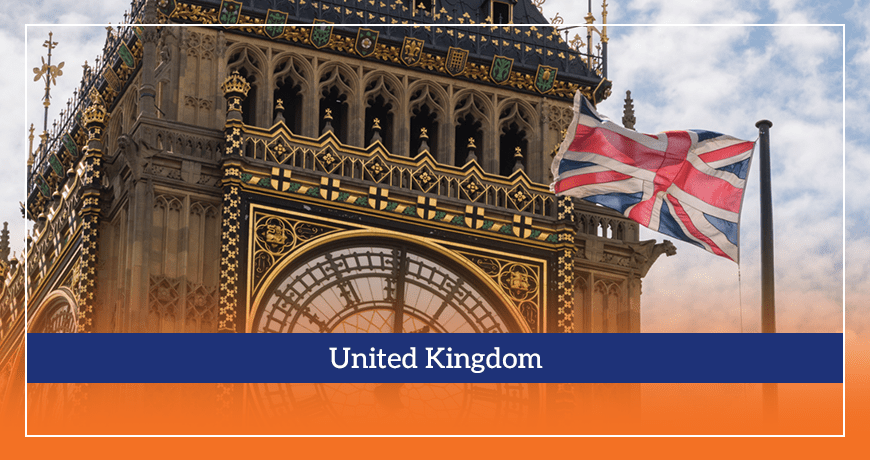
4. United Kingdom: Best for Recognition and One-Year Master's Degrees
The UK is not a low-cost destination. It can still make financial sense for the right course.
UK at a Glance
- Undergraduate tuition: Roughly £11,400–£38,000 for many programmes, although specialist degrees may cost more.
- Postgraduate tuition: Roughly £9,000–£30,000 for many courses, with variations by institution and subject.
- Course length: Many taught master's degrees take one year.
- Academic strengths: Business, finance, law, data science, medicine, research and the humanities.
- University options: Research-intensive universities, specialist institutions and professionally focused programmes.
- Watch out for: High tuition and accommodation costs, particularly in London.
Think about it this way. A £20,000 one-year master's is expensive, but comparing it with a two-year degree means you also need to compare an extra year of rent and everyday living costs.
The shorter course duration can make the UK attractive for postgraduate applicants seeking a recognised qualification within a defined period.
However, programme length alone should not determine your choice. Compare course accreditation, teaching structure, placement opportunities, university reputation and total tuition costs.
Students who decide the UK offers the right academic value can compare degree subjects and course options before selecting an institution.
For 2027 or 2028 entry, confirm the exact university's published tuition fees, programme structure and academic requirements.
5. France: Best for Public-University Value
France offers one of the most interesting cost-to-quality combinations in Western Europe.
France at a Glance
- 2026/27 bachelor's fee: €2,902 per year at many covered public institutions for non-EU students.
- 2026/27 master's fee: €3,950 per year at many covered public institutions for non-EU students.
- Tuition exceptions: Different fees may apply according to the institution, programme and any applicable exemption.
- Academic strengths: Business, engineering, politics, international relations, hospitality, fashion and arts.
- English-taught courses: Available at selected institutions, particularly at postgraduate level.
- Watch out for: French can be important for internships, everyday communication and graduate employment.
The official Campus France tuition guide confirms these differentiated public-university figures for 2026/27. They are useful planning references, not confirmed fees for every course or for 2027/28.
France's public-university fee structure can be substantially lower than typical international tuition in the UK or Netherlands.
But Paris can distort the picture. A student in Lyon, Lille or Toulouse may face a very different overall budget. That is why city-level accommodation costs should come immediately after tuition in your shortlist.
Students interested in business, arts or international relations should compare individual programme language requirements and academic content before applying.
6. Finland: Best for Study-to-Career Preparation
Finland is strong when you care about academic quality, practical learning and the skills you can develop during your degree.
Finland at a Glance
- Tuition: Typically €9,000–€20,000 yearly for non-EU/EEA students in English-taught bachelor's and master's programmes.
- Living costs: The official study portal advises planning for everyday expenses, with actual costs depending on the city, accommodation and personal circumstances.
- Scholarships: University-specific tuition waivers and other awards may be available to eligible international students.
- Academic strengths: Technology, education, sustainability, health sciences and applied research.
- Language: English-taught programmes are available, but Finnish or Swedish can be useful for internships and employment.
- Watch out for: The labour market is comparatively small, and programme-level industry connections differ.
Finland's official tuition and living-cost guidance currently lists typical non-EU tuition of €9,000–€20,000 per year for English-taught bachelor's and master's degrees.
That is an important update from older guides quoting €8,000 as the lower end of the typical range.
The official guidance also advises students not to build their financial plans around uncertain part-time earnings.
That is sensible advice anywhere in Europe.
Students considering Finland should compare programme structure, university scholarships, internships, accommodation prices and local language learning opportunities.
A strong degree choice should provide academic value even without depending on uncertain future employment income.
7. Denmark: Best for Engineering, Design and Clean Technology
Denmark works particularly well for students who want applied learning and close links between higher education and industry.
Denmark at a Glance
- Tuition: Around €6,000–€16,000 yearly for many non-EU/EEA full-degree students.
- Living costs: Accommodation and everyday expenses are relatively high, especially in Copenhagen.
- Learning approach: Many programmes emphasise collaboration, projects and practical problem-solving.
- Academic strengths: Engineering, architecture, biotechnology, life sciences, product design and renewable energy.
- University options: Research universities and professionally focused higher education institutions offer different learning environments.
- Watch out for: Programme accreditation, teaching language and internship opportunities can vary.
According to the official Study in Denmark tuition guidance, annual tuition for many international full-degree students falls within the €6,000–€16,000 range, although exact fees depend on the institution.
This is where reading the small print matters. Two courses may look similar academically but provide different placements, practical training opportunities and qualifications.
Students choosing Denmark should compare course content, teaching methods, industry partnerships and total study costs rather than considering tuition alone.
The best university is the one that matches your academic interests, learning style and professional goals.
8. Sweden: Best for Sustainability and Innovation
Sweden remains a strong choice for students interested in sustainability, engineering, environmental science, technology and design.
Sweden at a Glance
- Tuition: Most non-EU/EEA students pay programme-specific tuition for bachelor's and master's degrees.
- University costs: Tuition varies by institution and subject, so compare the published programme fee before applying.
- Scholarships: University scholarships and selected national funding opportunities may be available.
- Academic strengths: Sustainability, engineering, environmental science, technology, design and innovation.
- Learning environment: Research-led teaching, international programmes and collaborative learning are common strengths.
- Watch out for: Accommodation availability and local living costs vary by city.
Sweden is particularly appealing for students interested in clean technology, environmental research and sustainability-focused innovation.
However, tuition fees and scholarship eligibility differ between universities. Compare several programmes before deciding which institution offers the strongest combination of academic quality and affordability.
English-taught master's degrees are widely available in relevant subjects, while undergraduate programme availability and language requirements need separate checking.
For 2027 or 2028 entry, review the university's current tuition, admission requirements, scholarship conditions and accommodation information directly.
The strength of a Swedish university choice depends on the programme, not simply the country's overall reputation for innovation.
9. Italy: Best for Design, Architecture and Creative Fields
Italy moves much higher up the ranking when the subject is right.
Italy at a Glance
- Public-university tuition: Often around €900–€4,000 yearly, depending on the institution, programme and individual circumstances.
- Living costs: Accommodation and everyday expenses vary considerably between Italian cities.
- Academic strengths: Architecture, design, fashion, arts, heritage, humanities and selected engineering fields.
- Scholarships: Regional and university funding can reduce the overall study cost for eligible applicants.
- Language: English-taught options are available, particularly at master's level.
- Watch out for: Italian matters in day-to-day life, internships and the local job market.
For a design student, Milan or Turin may provide better industry fit than a more expensive country that ranks higher overall.
Scholarships can influence affordability, but students should compare award eligibility, tuition, course language and accommodation costs together.
Before applying, check whether the institution and degree programme are officially recognised and whether practical training opportunities match your career interests.
That is why a general country ranking should never override subject fit.
10. Poland: Best Lower-Cost Emerging Option
Poland deserves attention when keeping both tuition and monthly spending under control is a priority.
Poland at a Glance
- Tuition: Generally €2,000–€6,000 per year, depending on institution and programme.
- Living costs: The national study portal says a student budget can start around 1,500–2,000 PLN per month.
- Best subjects: IT, engineering, business and management.
- English: A growing number of programmes are taught in English.
- Scholarships: Government and university schemes are available.
- Watch out for: Programme quality and graduate opportunities vary more than the low headline price suggests.
The official Polish tuition ranges show why the country appears frequently on affordable-Europe shortlists.
If Poland looks attractive mainly because of cost, compare public universities in Poland, tuition fees and programme fit before applying.

Best European Country for International Students by Goal
There is no point forcing every student into the same ranking.
|
Student Goal
|
Best Choices
|
Why
|
|
Best overall
|
Germany
|
Low public tuition, strong STEM, large job market
|
|
Study in English
|
Ireland, UK, Netherlands
|
English-speaking environment or broad English provision
|
|
Low tuition
|
Germany, France, Italy, Austria, Poland
|
Lower public or typical tuition
|
|
Study and career development
|
Germany, Finland, Ireland, Netherlands, Denmark
|
Strong academic programmes, internships and industry connections
|
|
Engineering
|
Germany, Netherlands, Denmark, Sweden
|
Strong universities and industry links
|
|
Technology and AI
|
Germany, Ireland, Netherlands, Finland
|
Active technology sectors
|
|
Business and finance
|
UK, Ireland, France, Netherlands
|
Major business schools and employers
|
|
Design and fashion
|
Italy, France, Denmark
|
Strong creative industries
|
|
Sustainability
|
Denmark, Sweden, Finland, Netherlands
|
Strong programmes and green industries
|
Once your country shortlist is clear, the search intent changes. At that stage, comparing universities across Europe is more useful than adding dozens of institution names to this guide.
Compare degree content, teaching language, tuition fees, accreditation and location before choosing your final university shortlist.
Best Countries to Study in Europe in English
Ireland, the UK and the Netherlands are the strongest options if English is your first priority.
Finland, Sweden and Denmark also offer a wide range of English-taught master's programmes. Germany, France and Italy have plenty of English-medium options too, particularly at postgraduate level.
Quick English-Study Comparison
|
What You Want
|
Strongest Options
|
|
English in class and daily life
|
Ireland, UK
|
|
Continental Europe with broad English provision
|
Netherlands
|
|
Nordic technology or sustainability
|
Finland, Sweden, Denmark
|
|
Lower tuition with English master's options
|
Germany, France, Italy
|
Here's the thing: English can get you into university, but the local language can get you further in the job market.
A student can finish an English-taught degree in Germany or France and still discover that internships require German or French. Plan for that before arrival, not in the final semester.
Cheapest European Countries for International Students
For students on a tighter budget, Germany, France, Italy, Austria and Poland deserve the closest comparison.
But do not ask only, "What is the tuition fee?"
Ask:
- What will I pay for accommodation?
- How much should I budget for food, transport and everyday living?
- Is health insurance included in the university's estimated costs?
- Are there semester or registration fees?
- Are scholarships or tuition waivers available?
- Does the city fit my monthly budget?
A €3,000 tuition saving can disappear through twelve months of expensive rent.
The cheapest European country for one student may not be the cheapest for another. Tuition exceptions, programme duration, city-level costs and scholarship eligibility can change the final amount considerably.
Bangladeshi applicants who need a more cost-focused comparison can explore affordable study destinations for Bangladeshi students without turning this article into a second affordability guide.
Best European Countries to Study and Work
For students comparing study and career development opportunities, Germany, Finland, Ireland, the Netherlands and Denmark are useful starting points.
However, strong academic programmes and employment prospects do not guarantee part-time jobs or employment after graduation.
Germany
Germany offers respected engineering, manufacturing, technology and research programmes, with opportunities to develop industry-relevant skills.
German language proficiency may be important for internships and graduate employment, even when the degree is taught in English.
Finland
Finland offers technology, sustainability, applied research and education programmes with practical learning opportunities.
Students should compare university partnerships, internship availability and local language expectations rather than relying on potential part-time earnings.
Ireland
Ireland combines English-language university education with established technology, pharmaceutical, finance and business sectors.
Programme quality, work placements and city-level career opportunities should be considered alongside tuition and accommodation costs.
Netherlands
The Netherlands offers English-taught degrees across business, engineering, logistics and technology.
University-industry collaborations, applied learning and internships can make selected programmes attractive for career-focused students.
Denmark
Denmark is known for applied learning, engineering, design and close links between higher education and industry.
Compare programme-level practical training, research opportunities and partnerships with relevant employers.
One point surprises a lot of students: a country with more potential part-time employment is not automatically the best choice for long-term career development.
Graduate demand, local language, professional skills and the quality of your academic programme matter much more over time.
Which European Country Has the Most Straightforward University Application Process?
There is no universally easiest country for international university admission in Europe.
Admission depends on your:
- academic qualifications
- chosen university and degree
- course-specific entry requirements
- English or local-language proficiency
- academic documents and references
- application deadlines
- available places and selection criteria
A better question is: which European countries offer university courses that match your qualifications and academic goals?
Germany, the Netherlands, Finland and Sweden provide official university information and application guidance, but individual programmes may follow different procedures and selection criteria.
For example, a programme in the Netherlands may offer clear English-taught admission requirements, while an equivalent degree in Germany may require additional subject-specific qualifications or language evidence.
Applicants should compare official university course pages, application portals and admission conditions before making a financial commitment.
Meeting an academic eligibility requirement does not guarantee admission. The relevant university makes the final decision.
Best EU Countries for International Students by Field of Study
Your subject can completely change the ranking.
|
Field
|
Countries to Prioritise
|
|
Engineering and manufacturing
|
Germany, Netherlands, Denmark, Sweden
|
|
Computer science, AI and data
|
Germany, Ireland, Netherlands, Finland
|
|
Business and finance
|
Ireland, France, Netherlands; UK if considering Europe more broadly
|
|
Design and fashion
|
Italy, France, Denmark
|
|
Architecture
|
Italy, Netherlands, Spain
|
|
Sustainability and clean technology
|
Denmark, Sweden, Finland, Netherlands
|
|
Hospitality and tourism
|
France, Spain, Italy
|
|
International relations
|
France, Netherlands, Germany
|
|
Automotive engineering
|
Germany, Italy, Sweden
|
Think about it this way. Germany may be number one overall, but an international student studying fashion may make a stronger choice in Italy or France.
Subject fit beats a generic ranking.
Best European Countries for Master's Students
For master's study, Germany, the Netherlands, the UK, Ireland and Finland stand out for different reasons.
Germany gives you value and strong technical programmes.
The Netherlands offers specialist English-taught degrees across business, science and technology.
The UK has a large one-year master's market, which can shorten the total study period.
Ireland works well for students targeting English-speaking technology, business and pharmaceutical careers.
Finland becomes attractive for students interested in applied research, technology, sustainability and university-industry collaboration.
The best option is not necessarily the cheapest. It is the country where programme quality, total cost and career development opportunities line up.
Best European Country for Bangladeshi Students
For many Bangladeshi students, the strongest first shortlist is Germany, the UK, Ireland, France, Italy and Poland.
Germany May Suit You If:
- low tuition is a major priority
- you want engineering, IT or another technical subject
- you are prepared to learn German for internships and career development
The UK May Suit You If:
- you want a one-year master's degree
- international university recognition matters
- your budget can absorb higher tuition and living costs
Ireland May Suit You If:
- you want to study primarily in English
- technology, finance or pharmaceuticals fit your career plan
- studying at a university within the EU matters to you
France, Italy or Poland May Suit You If:
- you need a lower-cost alternative
- the university and programme fit your subject
- you are willing to learn some of the local language
For Bangladeshi applicants, the country is only half the decision. Academic qualifications, programme eligibility, tuition fees, scholarships and total study costs should also guide the shortlist.
For example, Germany may offer lower tuition at many public universities, while Ireland and the UK provide extensive English-language study options.
You can compare European scholarship opportunities for Bangladeshi students and calculate your expected tuition, accommodation and everyday living costs before committing to a university offer.
Check each institution's published admission conditions and scholarship eligibility for your intended 2027 or 2028 intake.
Scholarships and Funding in Europe
Scholarships can change the maths, but do not build your entire plan around winning one.
Common routes include:
- Germany: DAAD and university scholarships
- France: government and institution-based awards
- Netherlands: university and selected national schemes
- Finland: university tuition waivers and scholarships
- Italy: university and regional funding
- Poland: NAWA and university scholarships
- Europe-wide: Erasmus Mundus Joint Masters for eligible programmes
Some scholarships cover tuition. Fewer cover both tuition and living expenses.
That distinction matters.
If funding is a major part of your decision, use the site's scholarship search and guidance for deeper research rather than turning a country-comparison article into a scholarship directory.
EU vs Non-EU Tuition Fees
International students often see a low European tuition figure and assume it applies to everyone.
It may not.
EU/EEA students frequently pay lower fees than non-EU students in the Netherlands, Denmark, Sweden and Finland. France uses differentiated fees for many non-EU students, while Italy and Poland vary by institution and individual circumstances.
Germany remains unusual because many public universities charge no general tuition even to international students, although exceptions and semester contributions apply.
Before choosing a destination, compare these three numbers together:
- Your actual tuition fee based on nationality, university and course
- Your realistic annual accommodation and living costs
- Any scholarships, tuition waivers or additional university charges
One number on its own can be misleading.
For 2027 or 2028 entry, use the relevant university's published tuition schedule rather than relying on a general country average.
When Should You Apply for Europe 2027 and 2028 Intakes?
There is no single application deadline for Europe.
Universities in Germany, the Netherlands, Ireland, the UK, France and other European countries follow different academic calendars and course-specific admission procedures.
For September or October 2027 entry, many application periods are still ahead. Students planning 2028 entry can use the coming months for early academic and university research.
A practical planning timeline looks like this:
|
Stage
|
2027 Entry Planning
|
2028 Entry Planning
|
|
Country, subject and budget research
|
October to December 2026
|
Late 2026 to mid-2027
|
|
University and course shortlisting
|
October 2026 to early 2027
|
Early to mid-2027
|
|
Early applications and scholarships
|
Late 2026 to early 2027, depending on country
|
Mainly during 2027, where applications open
|
|
Other applications and admission decisions
|
During 2027, according to university deadlines
|
Late 2027 to 2028, according to university deadlines
|
|
Compare offers, tuition and funding
|
After receiving admission and scholarship decisions
|
After receiving admission and scholarship decisions
|
|
Accommodation and enrolment planning
|
Before the 2027 course start
|
Before the 2028 course start
|
These periods are planning estimates, not confirmed deadlines for every European university.
January or early-year intakes may have different application schedules from September or October programmes.
Students considering the UK can compare September intake universities and January intake options before selecting a course.
For the Netherlands, Germany, France and other countries, confirm admission dates through the university's official programme information or national study portal.
Universities set their own dates, and scholarship deadlines may arrive earlier than general admission deadlines.
Starting early gives you time to compare course requirements, prepare academic documents and evaluate funding opportunities without relying on outdated application dates.
How to Choose the Right European Country
Use a simple five-part filter.
1. Start With Your Subject
Engineering points strongly towards Germany, the Netherlands or Denmark. Design may push Italy or France higher.
Compare the actual degree modules, teaching quality and academic specialisms rather than relying only on a country's overall reputation.
2. Calculate the Real First-Year Cost
Include tuition, rent, insurance, transport, accommodation deposits, course materials and everyday living expenses.
Check whether your chosen university offers scholarships, tuition waivers or affordable accommodation options.
3. Check the Language Beyond the Classroom
An English-taught programme does not guarantee an English-speaking graduate job market.
Consider whether the local language could affect internships, clinical placements, professional networking or other relevant career opportunities.
4. Compare University Quality and Programme Structure
Check the institution's accreditation, course content, academic assessment methods and available research or industry placements.
Two universities in the same country can offer substantially different learning experiences.
5. Look Past Graduation
Ask whether the country has employers, research institutions and career opportunities connected to your field.
Consider the practical skills, professional recognition and academic qualifications you will gain during the degree.
A country should fit both your degree and your next step.
If you have narrowed your shortlist to two or three destinations, compare the universities' official course pages, academic requirements, tuition fees and scholarship conditions against your qualifications and budget.
Final admission requirements and course availability should always be confirmed with the relevant university.

Frequently Asked Questions
Which European country is best for international students in 2027 and 2028?
Germany is a strong overall choice for many international students because numerous public universities charge no general tuition, subject to exceptions, and the country offers respected engineering, technology and research programmes.
The Netherlands stands out for English-taught continental study, Ireland for English-language higher education within the EU, and France for comparatively affordable public-university fees.
Which country in Europe is cheapest for international students?
Germany, France, Italy, Austria and Poland are among the best countries to compare when cost matters.
Germany can be especially attractive because many public universities charge no general tuition, while Poland combines relatively low tuition with lower living costs. Exact expenses depend on the programme, university and city.
Which country is the best choice to study in Europe in English?
Ireland, the UK and the Netherlands are strong options if English is your main priority.
Finland, Sweden and Denmark also offer many English-taught programmes, particularly at master's level. Germany, France and Italy provide additional English-medium opportunities, although availability varies by subject.
Which European country is best to study and work?
Germany, Finland, Ireland, the Netherlands and Denmark offer useful combinations of higher education, industry connections and career development opportunities.
The best choice depends on your subject, language skills, programme quality and the relevant graduate job market. Part-time employment and future career outcomes should not be assumed or treated as guaranteed.
Which European country has the most straightforward university admission process?
There is no universally easiest country for university admission in Europe.
Germany, the Netherlands, Finland and Sweden publish official university application information, but academic qualifications, language requirements, course selection and deadlines differ between institutions.
Check the exact course's official admissions guidance before applying.
Which European country is best for master's students?
Germany is strong for value, the Netherlands for English-taught specialist programmes, the UK for one-year master's degrees, Ireland for English-speaking academic and industry opportunities, and Finland for technology, sustainability and applied research.
Can international students work while studying in Europe?
Part-time employment opportunities may exist, but availability and eligibility vary between countries and individual circumstances. Students should verify current employment conditions through the relevant official authorities.
Do not rely on part-time earnings to cover major tuition fees or living expenses. Academic workload and programme requirements should remain the priority.
Is IELTS mandatory for European universities?
Not always.
Universities may accept IELTS, TOEFL, PTE, Cambridge English, previous English-medium education or another recognised form of English proficiency evidence. The accepted qualification depends on the institution, programme and academic entry requirements.
Which European country is best for Bangladeshi students?
Germany is strong for affordability and technical subjects. The UK suits students who value one-year master's degrees and university recognition. Ireland offers English-language higher education within the EU, while France, Italy and Poland can provide lower-cost alternatives.
The best choice depends on your academic background, budget, subject, preferred learning environment and university entry requirements.
Final Verdict
The best European countries for international students in 2027 and 2028 include Germany, the Netherlands, Ireland, the UK and France, with Finland, Denmark, Sweden, Italy and Poland offering stronger value for specific subjects or priorities.
Pick Germany for overall value, the Netherlands for English-taught continental study, Ireland for English-language higher education within the EU, the UK for recognised one-year postgraduate degrees, and France for affordable public higher education.
Then compare tuition fees, living costs, scholarships, academic requirements, course quality and opportunities for professional development.
A strong country shortlist should also consider the university's location, programme language and the overall cost of completing the qualification.
That is how you choose a country that works not only for admission, but also for your education and long-term career goals.